Meta and YouTube Face Major Setback in Addiction Case
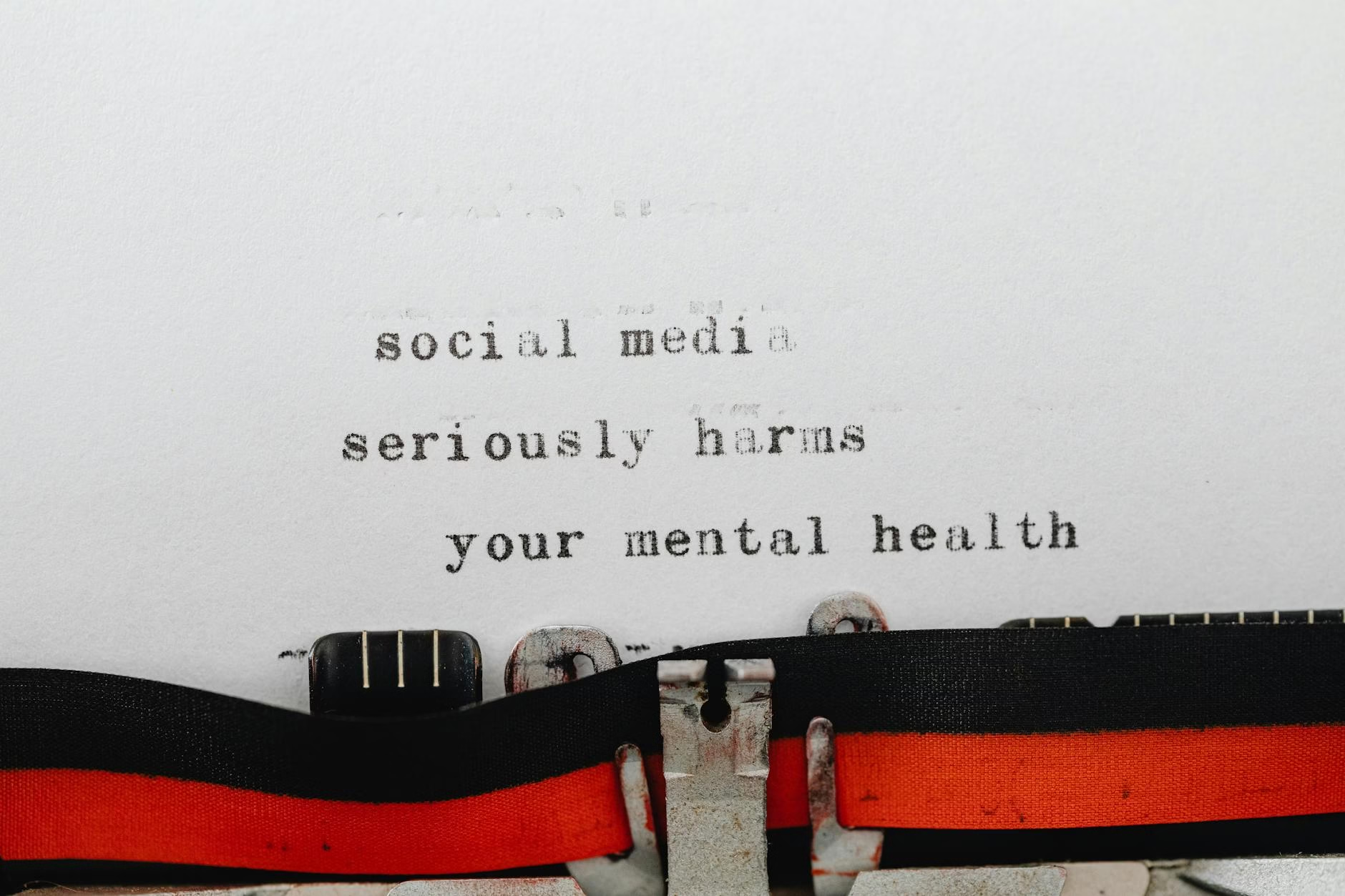
A Los Angeles jury has delivered a significant ruling against Meta and YouTube. They found both companies liable for creating addictive platforms that harmed a young woman’s mental health. The plaintiff, known as Kaley, was awarded $6 million in damages. This landmark case may influence many similar lawsuits across the United States.

Kaley’s case highlights the growing concerns about social media’s impact on youth. She began using Instagram at age nine and YouTube at six, leading to severe mental health issues. The jury determined that Meta and Google acted with malice by designing their platforms to be addictive.
Key takeaways
- The jury awarded $6 million to Kaley for her suffering.
- Meta will pay 70% of the damages; Google will cover 30%.
- This ruling may inspire more lawsuits against social media companies.
- Countries are considering stricter regulations for youth on social media.
Kaley’s lawyers argued that features like infinite scrolling were designed to keep users engaged longer. They claimed this led to her developing anxiety, depression, and body dysmorphia. Kaley testified that her excessive use of these platforms caused her to withdraw from family interactions.
Both Meta and Google expressed disagreement with the verdict. They plan to appeal the decision, arguing that mental health issues cannot be linked solely to their platforms. A spokesperson from Meta stated that they are committed to protecting teens online.
The ruling comes amid increasing scrutiny of how social media affects children. Countries like Austr
alia have started implementing restrictions on children’s access to these platforms. In the UK, a pilot program is testing a ban on social media use for those under 16 years old.
Public Reaction
The verdict has been met with enthusiasm from parents and advocacy groups who seek tighter regulations on social media. Many believe this is a pivotal moment in holding tech companies accountable for their products’ effects on children.
Prime Minister Sir Keir Starmer emphasized the need for change regarding children’s safety online. He mentioned ongoing consultations about potentially banning social media for under-16s, indicating that significant changes are imminent.
Future Implications
This case sets a precedent that could lead to more legal actions against tech giants like Meta and Google. As public sentiment shifts towards demanding accountability, other cases are already lined up in courts across the country.
The outcome of Kaley’s lawsuit may encourage more families affected by social media addiction to come forward. It also raises questions about how tech companies will adapt their practices moving forward.
FAQ
- What was the outcome of the trial? A jury awarded Kaley $6 million after finding Meta and YouTube liable for her addiction.
- How did Kaley’s use of social media affect her? She developed anxiety, depression, and body dysmorphia due to excessive use of these platforms.
- What do Meta and Google plan to do next? Both companies intend to appeal the verdict, claiming it misrepresents their platforms’ impact.
Sources
For the original report, see the source article.