Why Game Developers Are Frustrated with Generative AI

This year’s GDC Festival of Gaming showcased a strong presence of generative AI. Vendors promoted tools for creating AI-driven non-playable characters (NPCs) and even entire games through simple chat interfaces. I experienced a demo featuring a pixel-art fantasy world generated by Tencent’s AI. Additionally, Razer demonstrated an AI assistant that automatically logged issues during quality assurance testing for a shooter game.
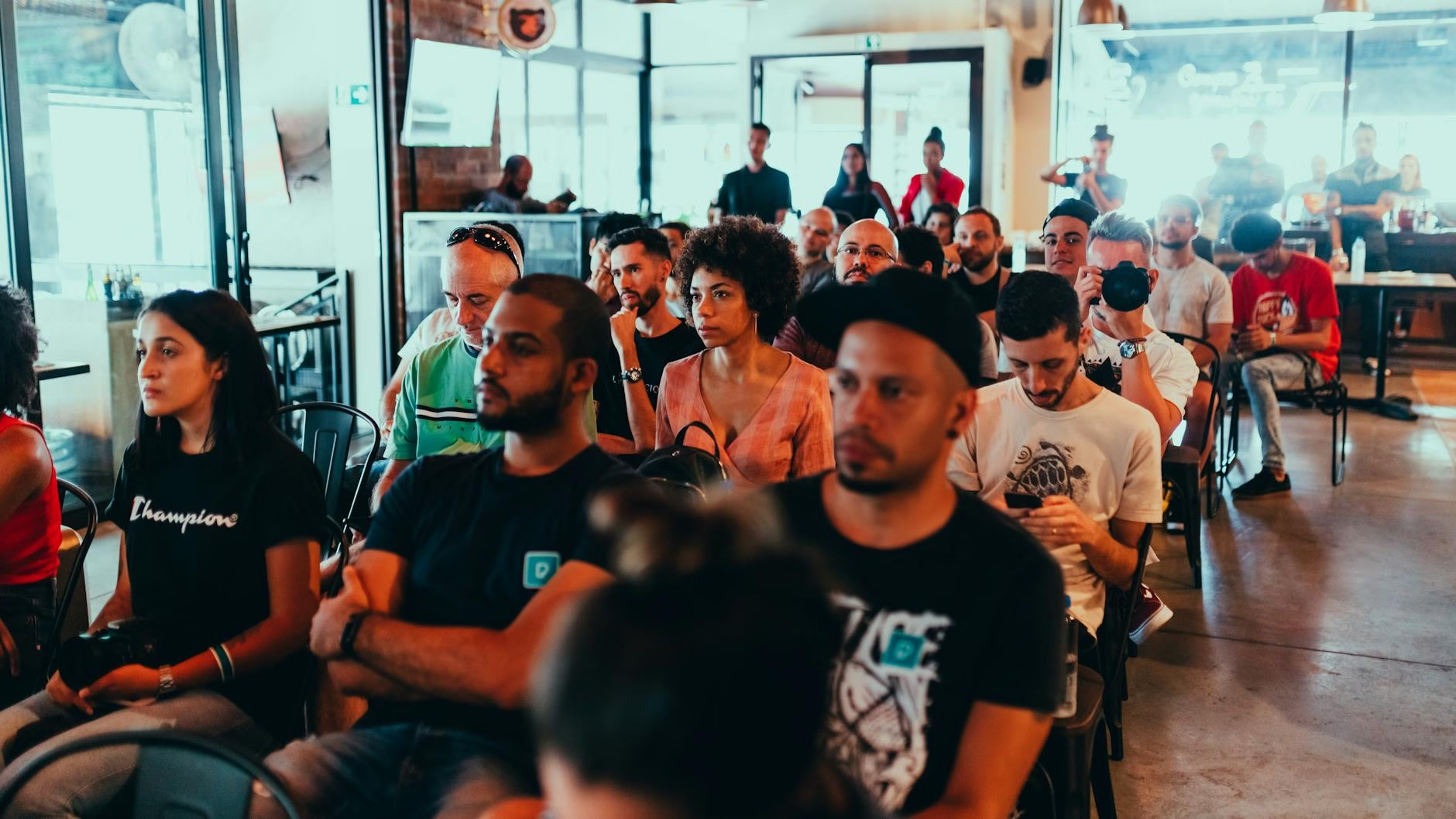
Despite the buzz around these technologies, many developers expressed skepticism about using generative AI in their projects. Gabriel Paquette, developer of _The Melty Way_, emphasized the beauty of human creativity, stating, “Why not use it?” This sentiment echoed throughout the conference, particularly among indie developers who value the human element in game creation.
Key takeaways
- Many indie developers reject generative AI for its lack of human touch.
- A recent survey shows over half believe generative AI harms the industry.
- Legal issues complicate selling games made with generative AI.
- Developers emphasize that crafting games by hand fosters deeper connections.
The negative perception of generative AI is evident. A recent GDC survey revealed that 52% of respondents believe it negatively impacts the industry. This is a significant increase from previous years. Some indie developers even label their games as “AI-free” to attract players who share their concerns.
Many creators argue that games produced with generative AI lack the unique qualities found in human-made games. Abby Howard from Black Tabby Games noted that audiences often feel disconnected from these generic creations. Rebekah Saltsman from Finji bluntly stated that generative AI outputs often look subpar and fail to capture the essence of fun and creativity.
Moreover, there are practical challenges associated with using gen
erative AI in game development. For instance, legal frameworks surrounding copyright for AI-generated content remain unclear. The Saltsmans pointed out that without clear ownership rights, selling such games could be problematic.
The Future of Game Development
Some publishers are also steering clear of generative AI. Panic, known for _Untitled Goose Game_, has no interest in products created through these methods. Similarly, BigMode requires developers to confirm their games are entirely human-made during application processes.
The concern extends beyond product quality; many fear job losses due to increased reliance on automation. Tony Howard-Arias from Black Tabby Games raised an important question: If we replace humans with machines, where will future talent come from? This highlights the need for balance between technology and human creativity in game development.
A Human Connection
Ultimately, many developers believe that crafting games by hand creates a more meaningful connection with players. Rebekah Saltsman noted how much effort goes into creating experiences that resonate deeply with audiences. This dedication is what drives them to create unique stories and engaging gameplay.
While some indie developers remain open to exploring potential uses for generative AI down the line, they currently prefer handcrafted work. As Gabriel Paquette said, he values doing things “100 percent” by hand because it holds personal significance.
FAQ
- What is the main concern about generative AI in gaming? Many developers feel it detracts from the human touch essential to game creation.
- Are any publishers accepting games made with generative AI? Most major publishers are not interested in such products right now.
- What do developers believe about audience connection to generative AI? They think audiences often feel disconnected from generic content produced by these tools.
Sources
For the original report, see the source article.